Finding Roots of Rooibos In South Africa
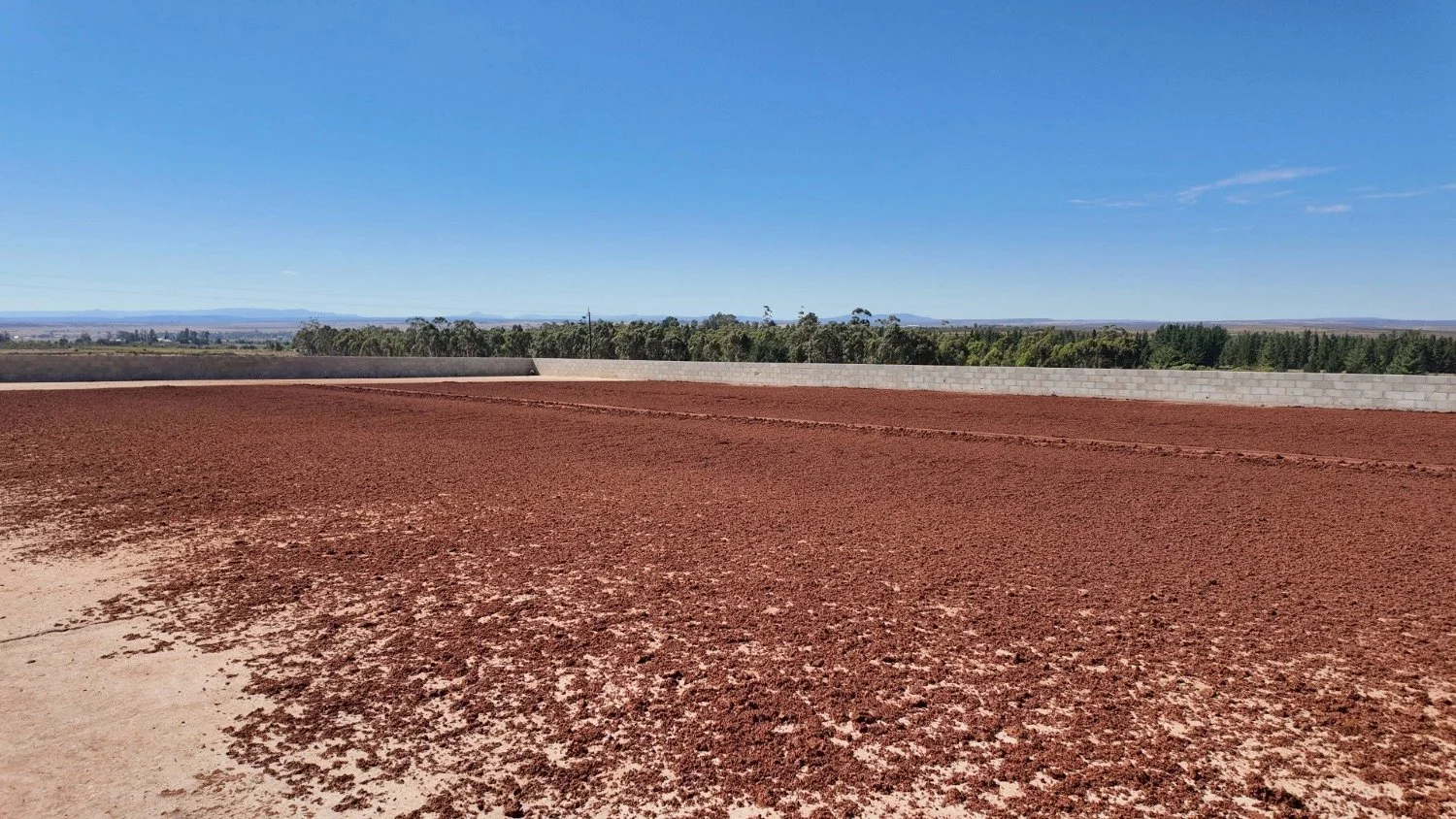
Rooibos leaves turns red during the natural sun-drying fermentation process
Rooibos means “red bush” in Afrikaans, though the plant itself isn’t red in its natural state, it only develops its deep reddish hue after the fermentation process. For centuries, it has been used as a powerful medicinal herb by the Indigenous Khoisan people of present-day South Africa. Today, it has evolved into a beloved beverage enjoyed around the world, due to its potent antioxidant properties.
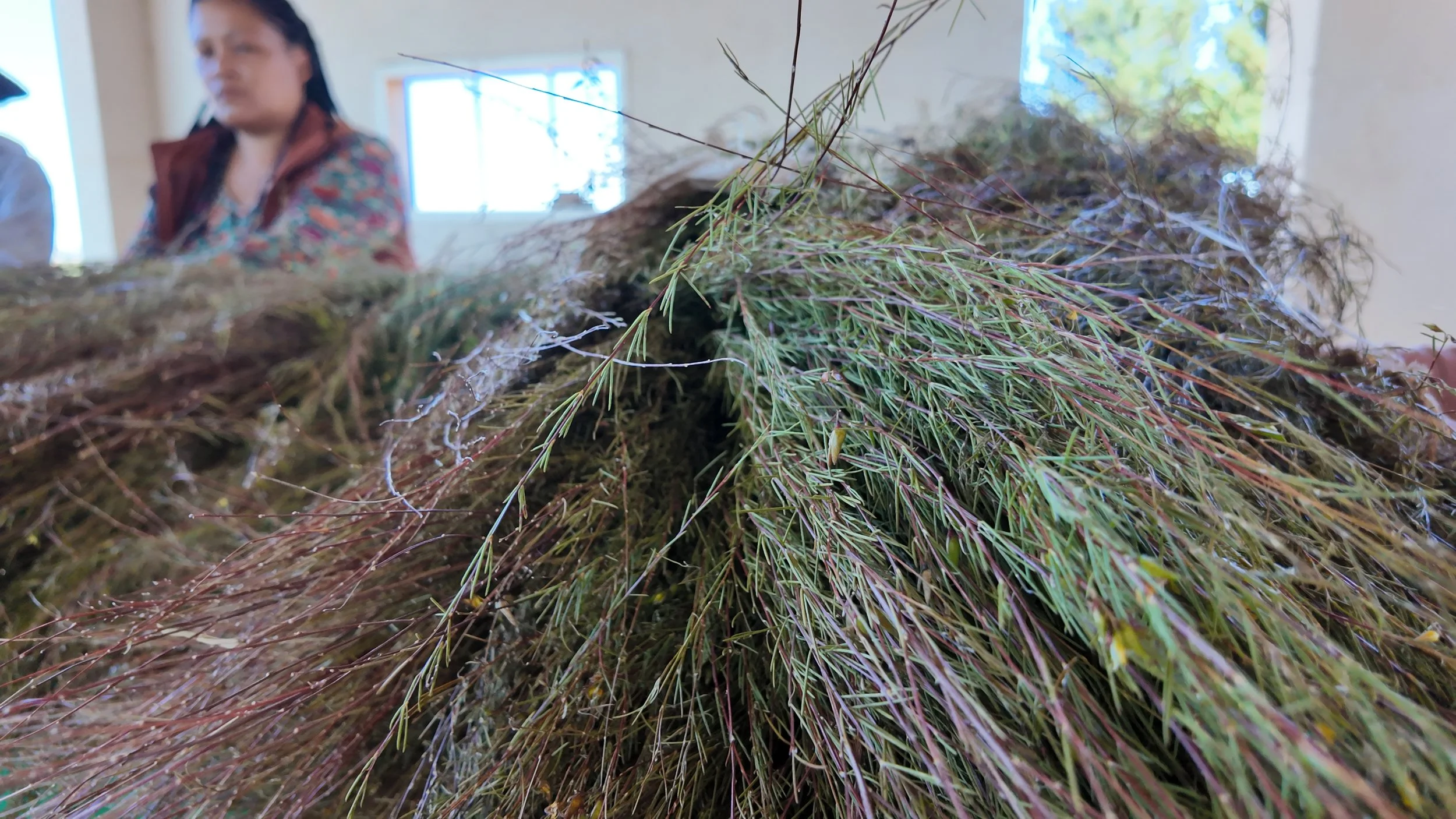
Freshly harvested rooibos ready for processing
What makes rooibos truly special is that it’s naturally caffeine-free and offers a rich, nutty, vanilla-like flavor that’s hard to resist. It makes a perfect substitute for caffeinated teas for someone with a low caffeine tolerance. You’ll often find rooibos blended with lightly- flavored herbs or flowers to enhance the overall aroma and taste. Even more remarkable is that rooibos grows almost exclusively in the Cederberg Mountains of South Africa. Although there have been attempts to cultivate it in other parts of the world such as Australia, none have been successful.
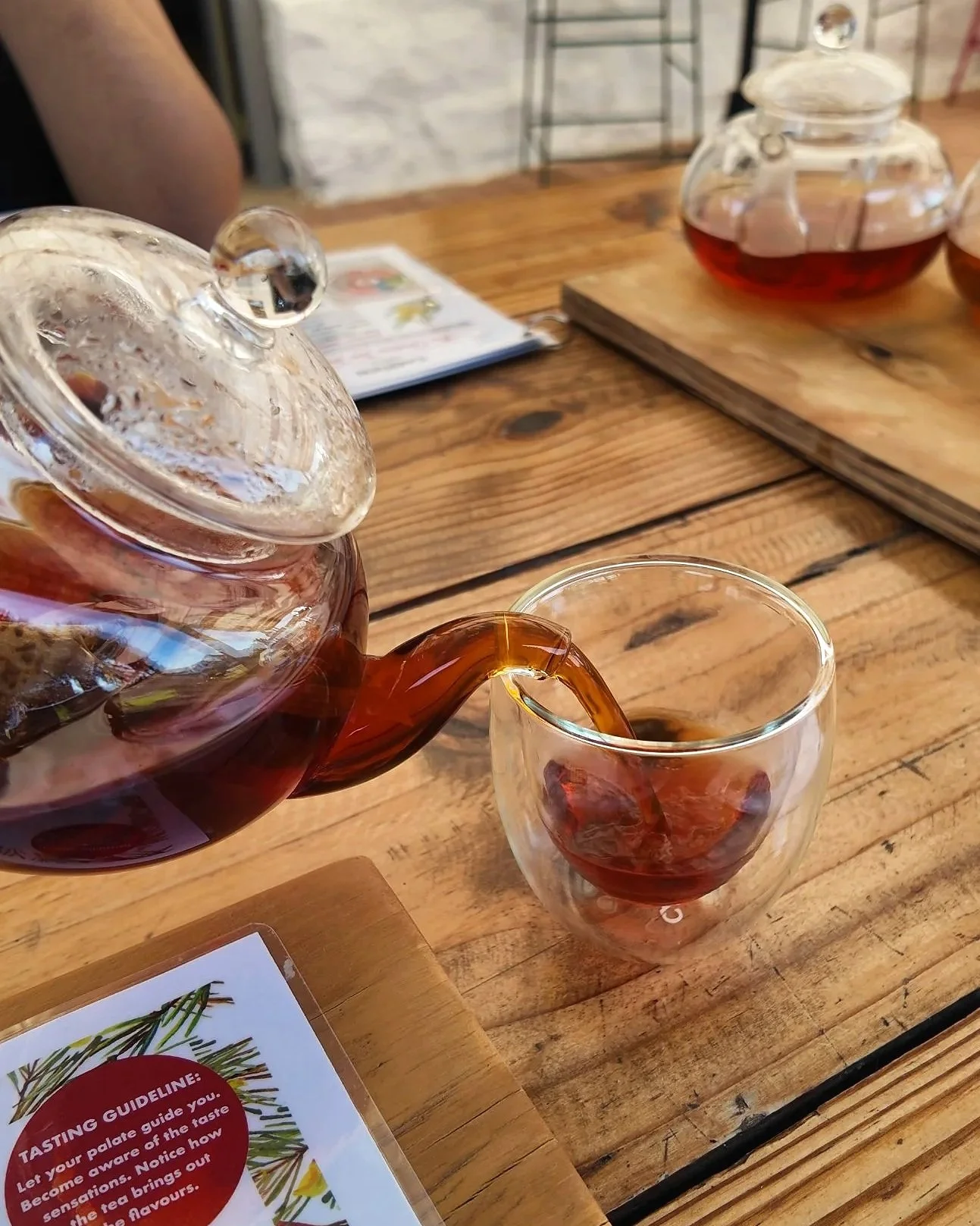
Rooibos Tasting at Cederberg Mountains
To understand what makes the finest rooibos tea, I flew into Cape Town and drove about 300km north into the heart of the Cederberg mountains during the hot summer month of March. While many commercial farms are scattered along the lower foothill of Cederberg, I was most interested in visiting the epicenter of Rooibos, the village of Wupperthal.