The Epicenter of Rooibos
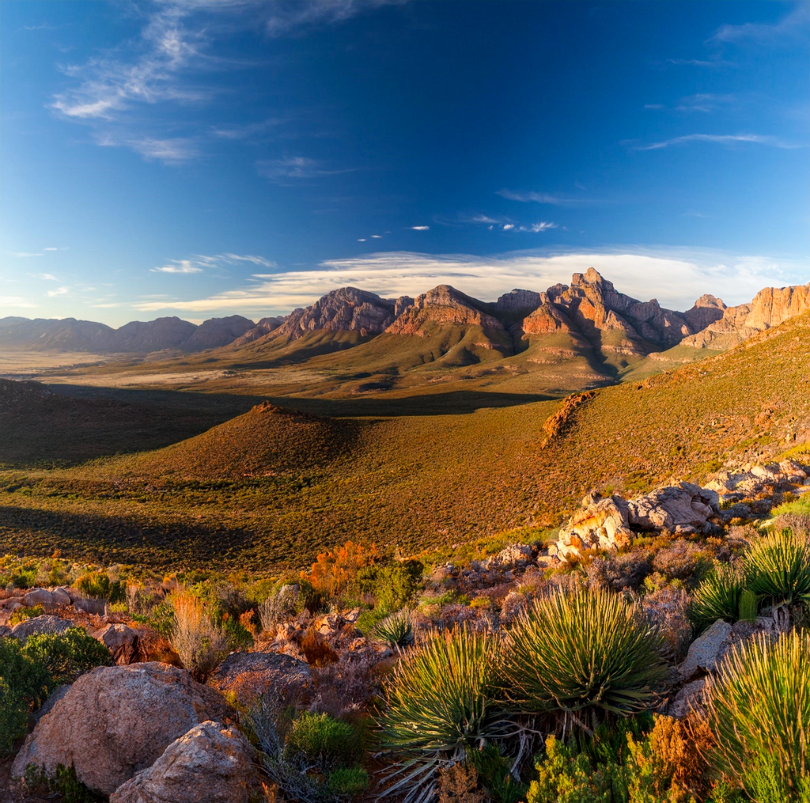
Cederberg Mountain road in Western Cape
It’s no easy way reaching the remote village of Wupperthal. Nearly every local I met warned me of the difficult journey ahead. Many of the paths leading into Wupperthal were in disrepair, worn down by time and damaged by the winter floods. After passing through Clanwilliam, the historical capital of the rooibos trade, the landscape transformed dramatically. Rugged mountains rose around me, and towering sandstone cliffs loomed above the winding road. This is the only place where wild rooibos can still be harvested in the increasingly industrialized era of Rooibos farming. Its geographical isolation has helped preserve the pristine, untouched ecosystem that the original rooibos calls home.
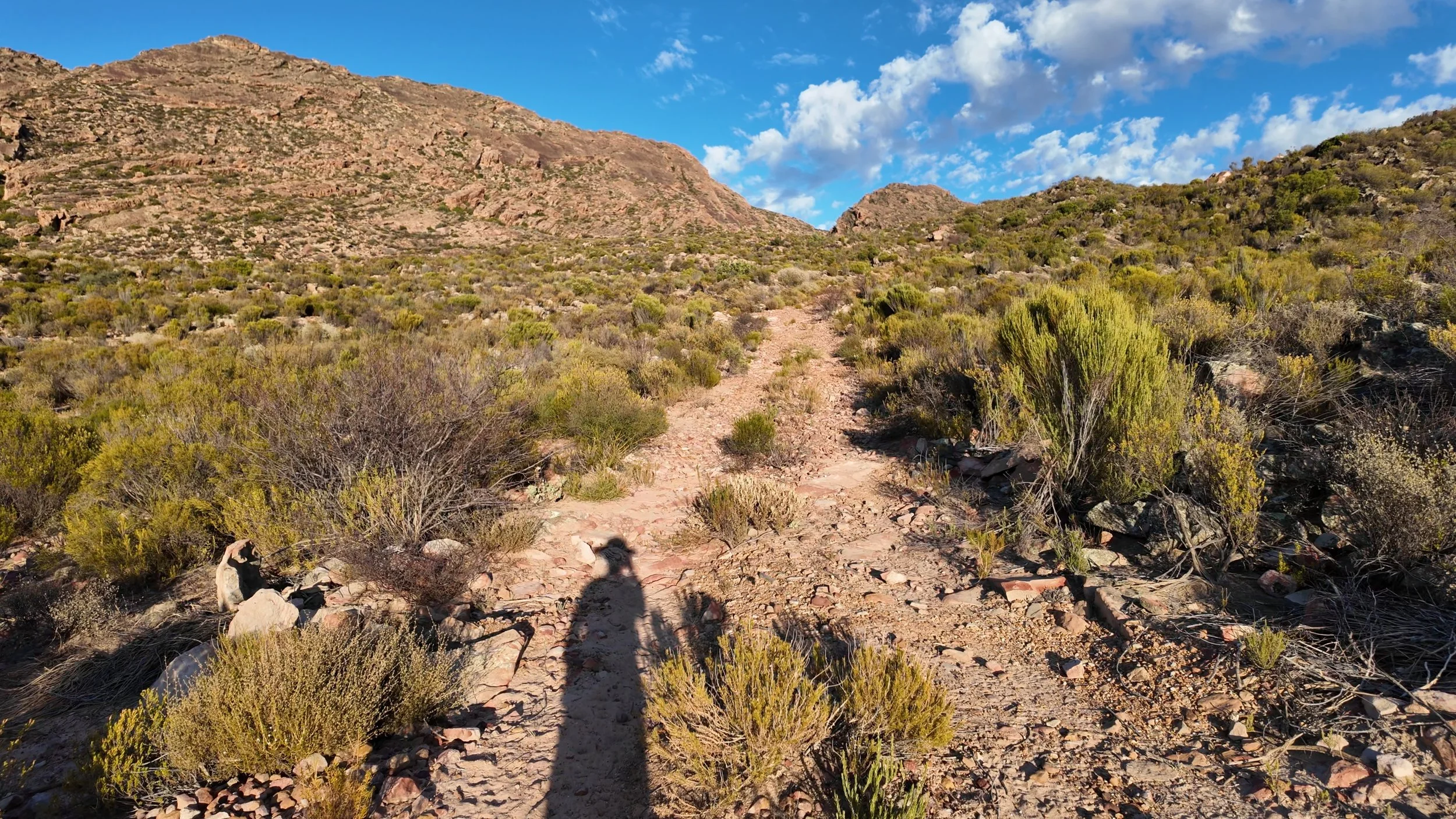
Rugged sandstone mountains and native fynbos landscape near Wupperthal village
At the village, I met the Salomon family, one of the founding families of Wupperthal and pioneers behind the Wupperthal Original rooibos cooperatives, which serves as both processing plants and sales office for rooibos harvested from small, individual farms nearby.
At their facility, I was warmly welcomed by Brian Salomon, the operations manager. He walked me through the entire process of cutting, fermenting, and drying the leaves with great care and expertise. We also drove up into the mountains to forage wild rooibos together. In its natural state, Rooibos doesn’t require any irrigation; moisture from condensation alone is enough to sustain its growth. Brian also explained that wild rooibos is only harvested once every two years to allow the plants time to regenerate, helping to protect and sustain their natural habitat.
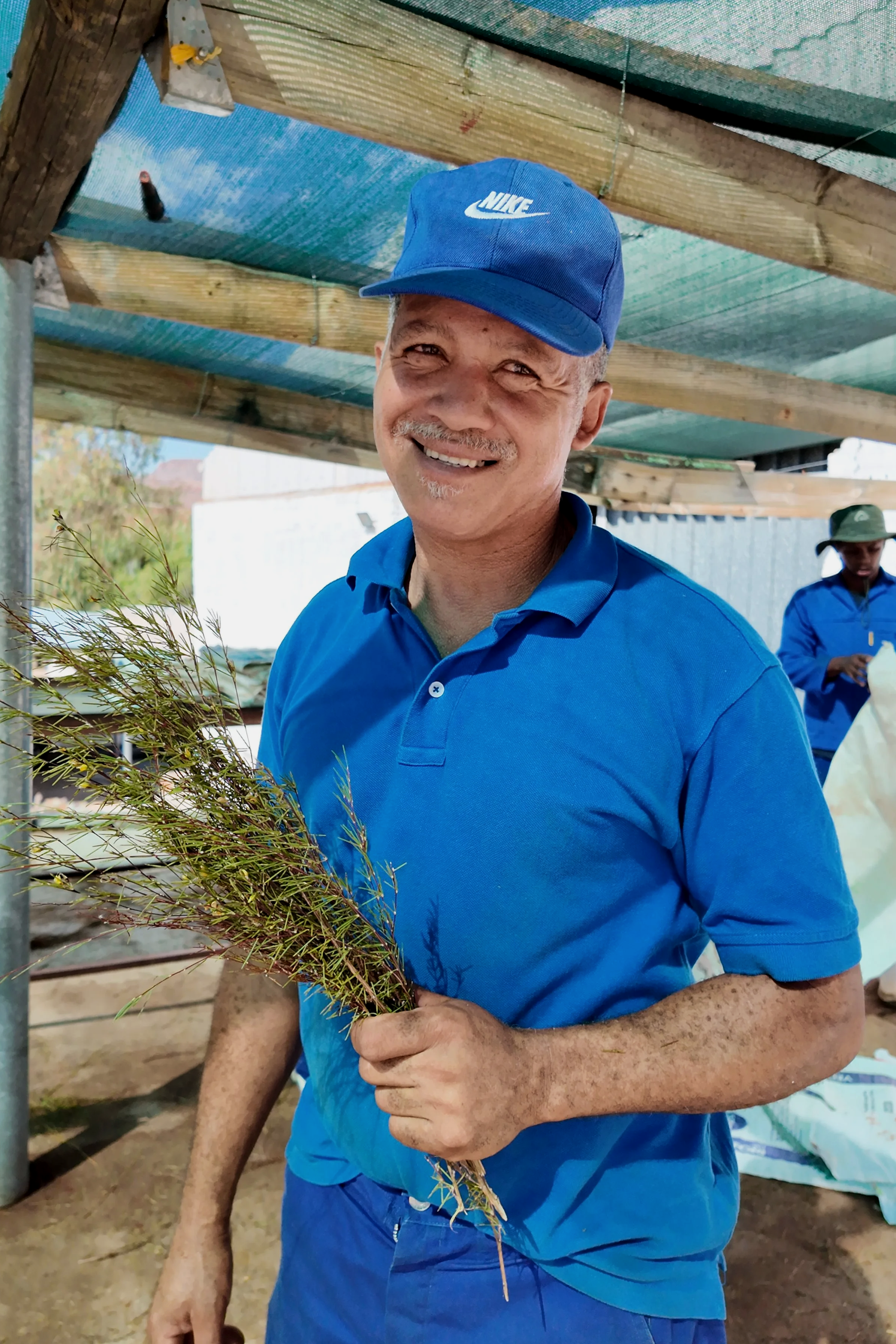
Brian Salomon, Operation manager of Wupperthal Original Rooibos Cooperatives
Prior to visiting Wupperthal, I had also explored commercial rooibos farms in the Northern Cape, near Nieuwoudtville. This highland plateau region faces significant water scarcity, and as a result, saline groundwater is often extracted for both irrigation and fermentation. While the long-term impact of cultivating rooibos with salty water remains unclear, it may potentially affect the flavor, quality, or chemical composition of the tea.
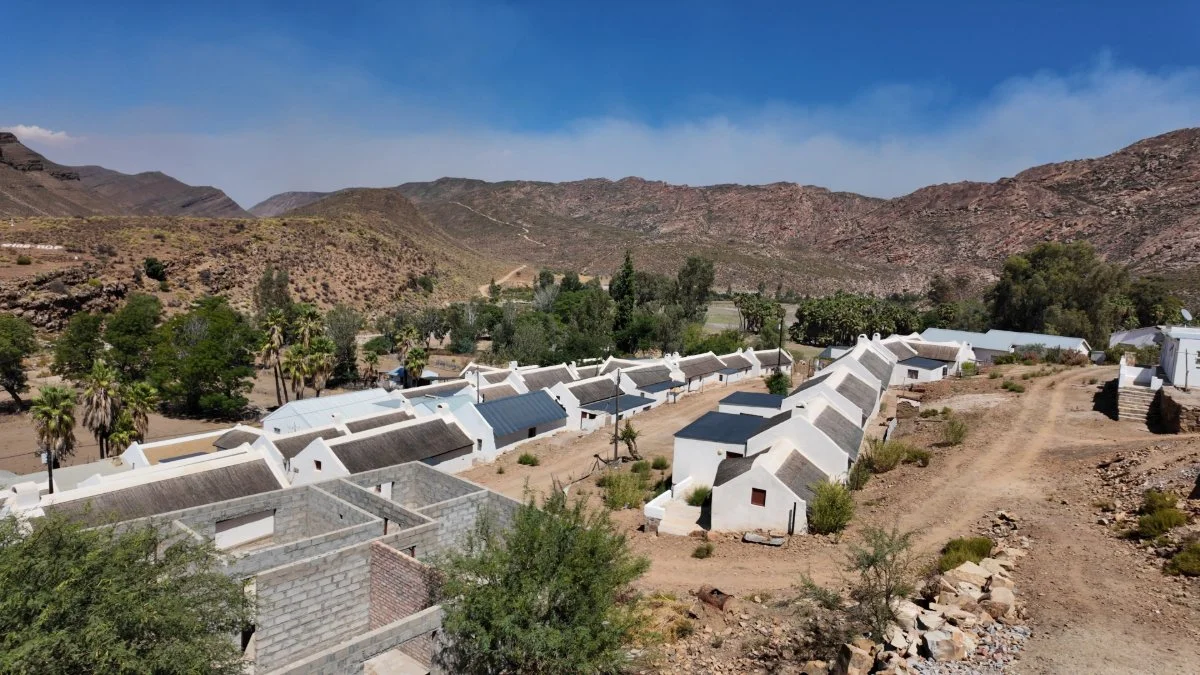
Wupperthal Village nestled deep in Cederberg mountains
In contrast, Wupperthal—tucked deep within the Cederberg mountains—is surrounded by natural freshwater sources, including mountain streams and springs. Even in the height of summer, the temperature cools noticeably at night. This day–night temperature disparity accelerates the drying process, reduces oxidation, and helps preserve rooibos’s distinct flavor and vibrant color. The abundance of clean water, combined with the region’s biodiversity and minimal human interference, helps ensure the purity and integrity of the rooibos grown there.